

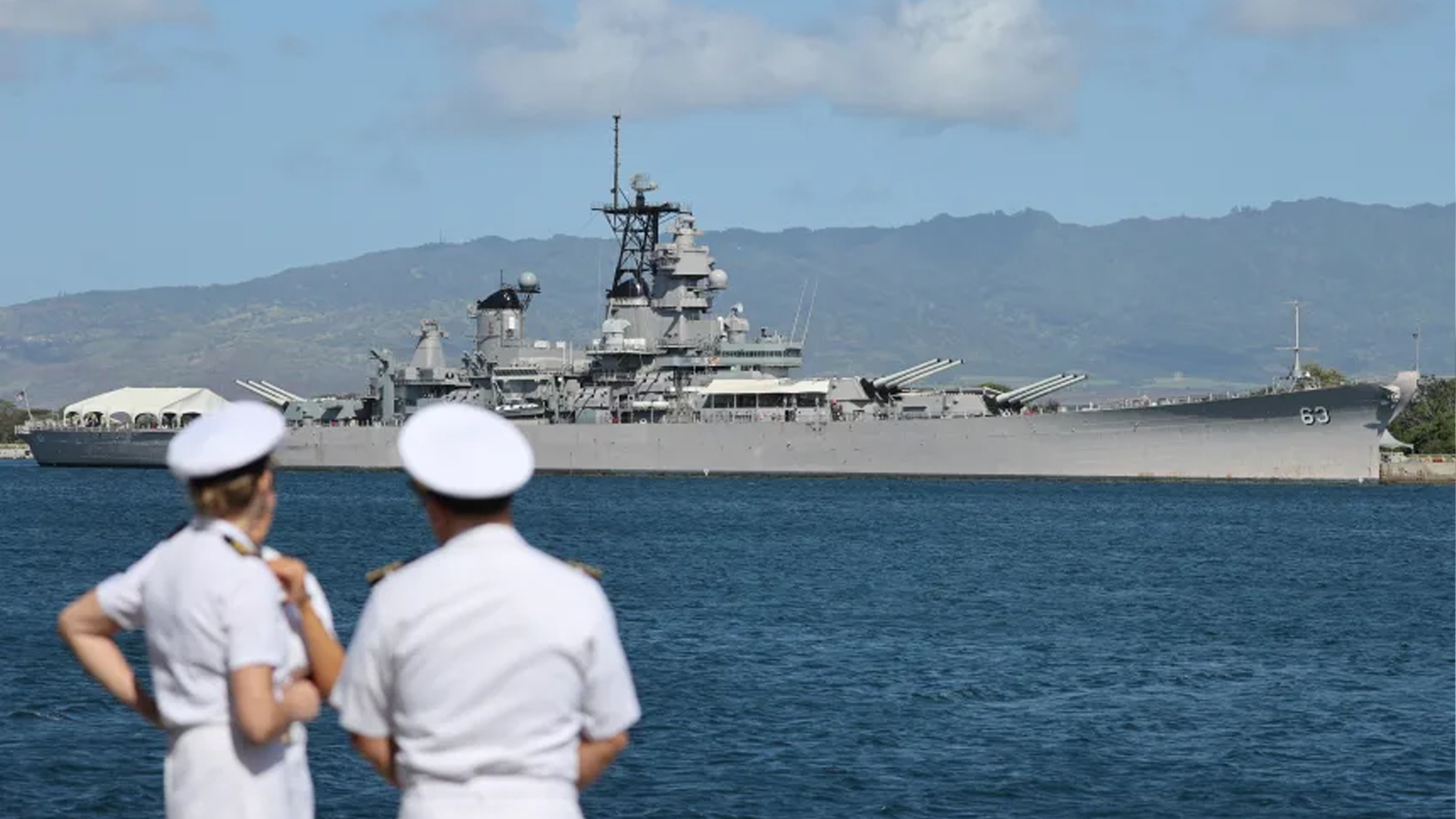
The ghost of naval warfare past is being resurrected by the United States with a futuristic vengeance, proposing a new fleet of leviathans that would dwarf any surface combatant built since World War II. The White House has unveiled plans for a new class of battleships designed to be the most lethal warships in history, sparking a fierce debate over whether American industry can actually build them. This ambitious announcement shines a harsh spotlight on a domestic shipbuilding sector that is currently struggling to deliver far simpler vessels on time or on budget.
• The US announced plans for a new class of massive battleships.
• The proposal aims to create the most lethal warships ever built.
• Current American shipbuilding struggles to meet existing deadlines.
The specifications for these proposed juggernauts are staggering, calling for vessels up to 880 feet long with a displacement of nearly 40,000 tons. The design envisions a floating arsenal 100 times more powerful than its 1940s predecessors, armed with nuclear-capable hypersonic missiles, high-energy lasers, and electromagnetic rail guns. This represents a dramatic pivot from the current fleet architecture, where the largest surface combatants are 15,000-ton destroyers, signaling a return to the philosophy that bigger is decidedly better.

• The ships would displace up to 40,000 tons.
• Armaments include hypersonic missiles and lasers.
• This marks a shift away from smaller surface combatants.
Turning this vision into steel requires overcoming a maritime industrial crisis that Navy officials have recently described as being in total disarray. Shipyards are already stretched to the breaking point with maintenance backlogs, and recruiting a skilled workforce to build these behemoths is proving difficult when warehouse jobs offer competitive pay for less grueling work. Analysts warn that the United States currently lacks the physical dockyard capacity to construct such massive hulls without reactivating shuttered facilities or relying heavily on allied support.
• US shipyards are currently facing severe capacity issues.
• Workforce recruitment remains a critical bottleneck.
• New facilities or allied help may be needed for construction.
Financial and historical realities cast a long shadow over the project, with estimates suggesting each ship could cost up to $15 billion compared to the $2 billion price tag of a standard destroyer. The Navy has a troubled track record with recent advanced programs, having cancelled its rail gun project in 2021 due to technical failures and slashing orders for high-tech destroyers when costs ballooned. Integrating unproven technologies like electromagnetic weaponry into a hull of this size presents a massive engineering risk that could lead to delays stretching into the next decade.
• Each battleship could cost an estimated $15 billion.
• The US Navy has a history of cancelling ambitious projects.
• Key technologies like rail guns failed previous tests.
Strategic experts are questioning the wisdom of concentrating so much firepower on a single platform in an era of cheap drones and “carrier-killer” missiles. Placing fewer, larger targets in the ocean goes against modern doctrines that favor dispersing forces to survive precision strikes from near-peer adversaries like China. While the administration likens this push to a new space race, the vulnerability of massive surface ships to asymmetric threats like undersea drones suggests that even the most heavily armed battleship might be obsolete before it ever leaves the dock.
• Large ships are vulnerable to modern precision missiles.
• Drones pose a cheap and effective threat to big vessels.
• Experts favor dispersing firepower over concentrating it.
Via: CNN


