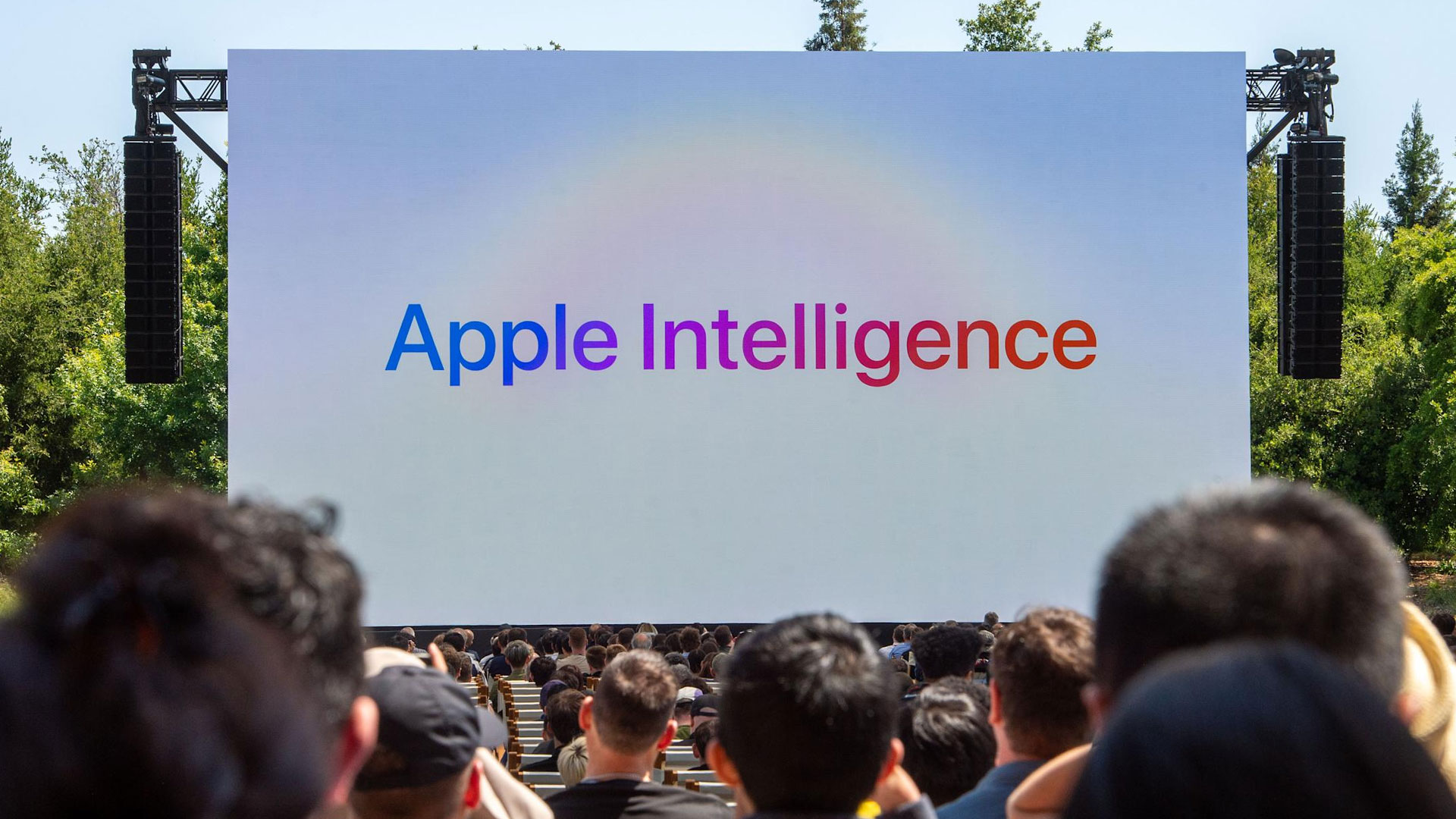
It begins with a claim that stories meant for readers were stolen to feed machines. Apple now finds itself in the crosshairs of a lawsuit accusing it of using pirated books to train its artificial intelligence systems. Two authors, Grady Hendrix and Jennifer Roberson, allege their works were swept into shadow libraries, vast online collections of unlicensed texts, and then harvested by Apple’s web crawler for the purpose of building Apple Intelligence.
• Apple accused of using pirated books to train AI
• Authors Grady Hendrix and Jennifer Roberson lead the suit
• Shadow libraries named as the source of unlicensed data
The authors argue that Apple, one of the most profitable companies in the world, took without asking and benefited enormously in return. Their complaint claims that by copying their works into AI training sets, Apple undermined the market for those very books. They say the outputs of the AI system compete directly with their writing, devaluing years of labor while enabling Apple to profit from content it never paid for.

• Authors claim their works were copied into training sets
• AI outputs seen as direct competition to original books
• Plaintiffs allege Apple profited without compensation
At the heart of the lawsuit is the push for class action status, reflecting the sheer scale of what shadow libraries contain. Thousands of authors could potentially join the case, arguing that their works, too, have been fed into the algorithms without consent. The plaintiffs frame this not just as an intellectual property dispute but as a struggle for creative control, one where writers are denied agency over how their stories are used.
• Lawsuit seeks class action status
• Many authors may have works in shadow libraries
• Case framed as both copyright and creative control issue
Apple’s lawsuit joins a growing list of legal battles against companies advancing generative AI. OpenAI is already being sued by The New York Times and other news organizations over similar claims. Anthropic recently settled for $1.5 billion after authors alleged it too relied on pirated digital libraries to train its Claude chatbot. In that case, half a million authors are set to receive $3,000 each for their works, setting a striking precedent.
• Legal pressure on AI companies continues to rise
• The New York Times and others suing OpenAI
• Anthropic settled for $1.5 billion over pirated book claims
The case against Apple could prove pivotal. If class action status is granted, it would expand the scope of the lawsuit dramatically, putting one of the world’s most influential tech firms on trial over the foundations of its AI strategy. At stake is more than damages. It is the question of whether the creative output of authors can be repurposed without permission in the name of technological progress, or whether the courts will force Big Tech to pay for the words it consumes.
• Case could reshape how AI training is regulated
• Class action status would bring in thousands of authors
• Outcome may determine if Big Tech must pay for creative works