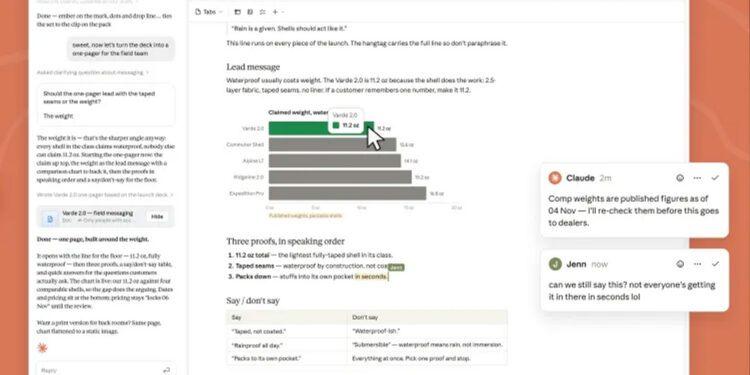
The quiet hum of your laptop might soon carry a new presence. Starting in October, Microsoft will automatically place its Copilot app onto Windows devices running 365 desktop programs like Word, Excel, and PowerPoint. The rollout, set to finish by mid-November, is Microsoft’s way of weaving its AI assistant deeper into the daily lives of millions, whether users asked for it or not.
• Microsoft to auto-install Copilot on Windows with 365 apps
• Rollout begins in October and finishes by mid-November
• AI integration aims to embed Copilot in everyday workflows
Copilot is no longer just an optional tool. By placing it directly in the Start Menu, Microsoft is signaling that AI is not an experiment but a fixture. The app consolidates functions like search, chat, and task automation into one hub, offering a unified gateway to productivity powered by AI. For Microsoft, this is about cementing Copilot’s role at the center of digital workspaces rather than keeping it as an add-on.

• Copilot consolidates search, chat, and AI-driven tools
• App will automatically appear in the Windows Start Menu
• Microsoft positions Copilot as a core part of daily computing
Not all users are eager to welcome the change. While businesses may value streamlined AI integration, individuals who prefer control over their systems may see this as unwanted intrusion. Microsoft has provided an opt-out option, but it requires administrative access through the Microsoft 365 Apps admin center, where users can disable automatic installation under Modern App Settings. Without intervention, the app will appear by default.
• Opt-out available only through 365 admin center settings
• Requires admin rights to block installation
• Default path installs Copilot on all eligible Windows devices
The shift will not affect every region equally. Customers in the European Economic Area are exempt, at least for now. Regulatory frameworks around AI in the EU appear to be slowing down the rollout there, offering a glimpse into how global technology laws can shape user experiences. Elsewhere, the change will be unavoidable, reinforcing Microsoft’s intention to push Copilot into the mainstream regardless of regional hesitation.
• Rollout excludes the European Economic Area for now
• Likely linked to AI regulations under EU law
• Highlights how global rules influence tech adoption
As the AI wave accelerates, Microsoft’s move marks a decisive moment in the relationship between users and their machines. For some, the Copilot app will be a welcome productivity booster. For others, it will be an unwelcome reminder of how little choice remains in the direction of modern software. Either way, by embedding Copilot into Windows by default, Microsoft is ensuring that its vision of AI-powered productivity is no longer optional but inevitable.
• Copilot rollout signals inevitability of AI-driven tools
• Sparks debate between user choice and software progress
• Microsoft accelerates AI adoption by making it a default fixture