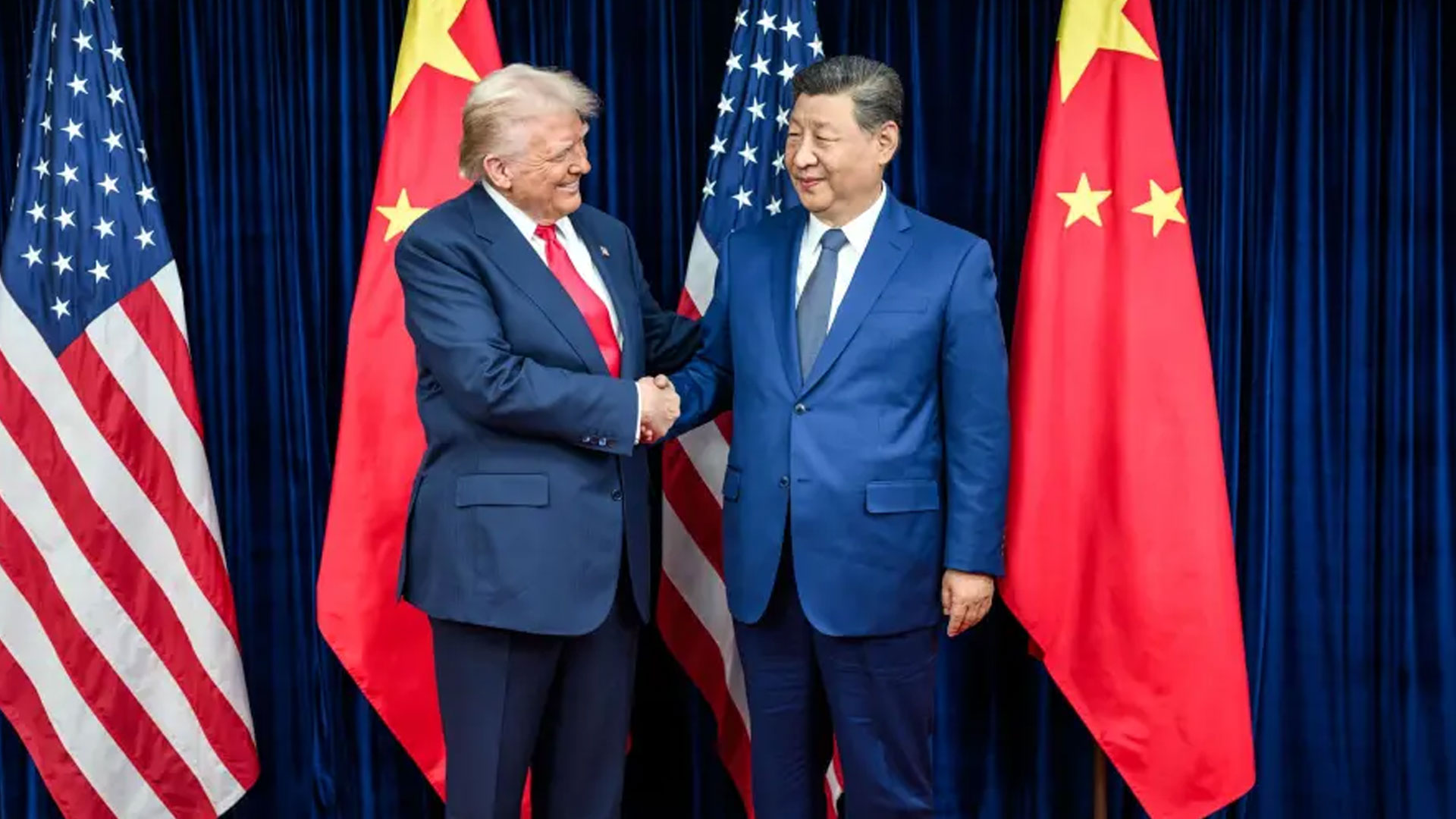
The United States signaled it would once again allow Nvidia’s powerful H200 chips into China, a shift that sparked excitement across Beijing’s AI giants. Yet behind closed doors, China started preparing a different response. Regulators drafted plans to restrict access to the very chips they had been pushing to regain, setting the stage for a complex tug-of-war over the future of artificial intelligence.
• China prepares to restrict H200 chips
• US signals exports may resume
• AI race shapes global tension
China’s recalibration grew out of a difficult reality. Months of US export controls forced Chinese companies to rely on domestic alternatives, often slower and less efficient. Now, as Washington moves toward lifting those restrictions, Beijing is determined not to appear dependent again. Prospective buyers would be required to file formal purchase requests and justify why Chinese chips are insufficient, turning procurement into a long, bureaucratic slog designed to protect national strategy.

• Approval required before buying H200
• Domestic chipmakers receive priority
• China seeks to limit foreign reliance
In Washington, politics complicate the picture. The administration confirmed it intends to allow Nvidia, Intel and AMD to ship advanced hardware to approved Chinese clients, but lawmakers are already pushing back. Some senators want a 30-month ban to prevent exports from restarting, arguing national security risks remain unresolved. The debate reflects deeper fears that advanced chips could help strengthen China’s military and tech sectors.
• US considers controlled reopening
• Lawmakers push for extended restrictions
• Security concerns drive the debate
For Nvidia, the uncertainty continues. The company has already been shipping a downgraded H20 model to comply with US rules, agreeing to surrender 15 percent of revenue from those sales to the government. Beijing has been lukewarm, dismissing the H20 as barely superior to homegrown chips. Meanwhile, Chinese firms like Alibaba, ByteDance and Tencent are eager to regain access to higher-performance GPUs, even as regulators tighten inspections and offer incentives to fuel domestic chip production.
• Nvidia ships reduced-performance H20
• Chinese tech giants want full-power GPUs
• Beijing boosts local chip incentives
The next phase of the chip rivalry will be defined by these competing pressures. China wants advanced tools but insists on cultivating independence. The US wants leverage without losing commercial influence. Nvidia and its competitors are caught between two governments rewriting the rules of global technology. As both sides maneuver, one thing is certain: the struggle over who gets the world’s fastest chips is far from over.
• China prioritizes strategic autonomy
• US seeks control while allowing limited sales
• Global AI competition intensifies