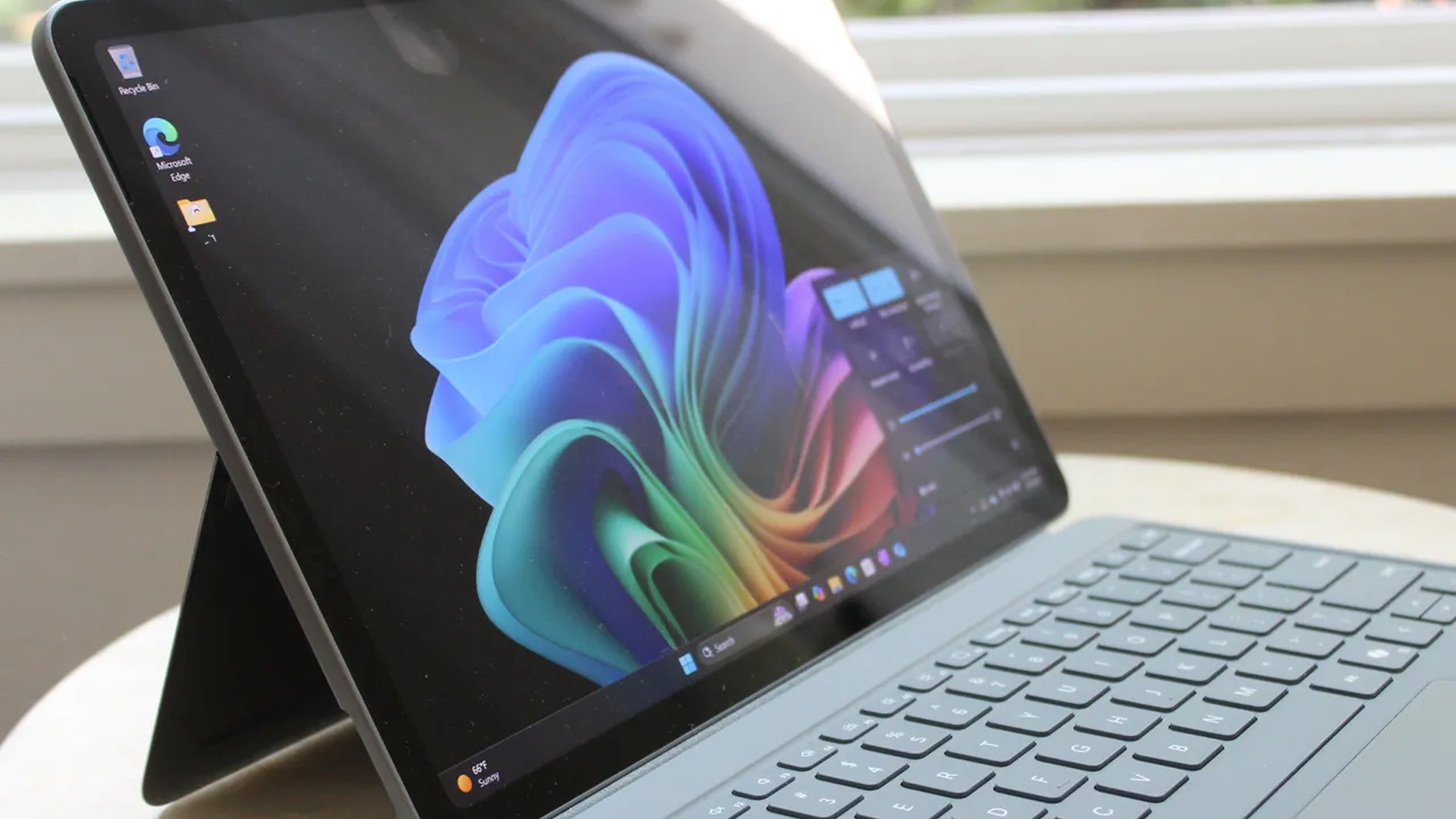
The modern laptop market is a labyrinth designed to confuse even the most tech-savvy consumers. Navigating this maze in late 2025 requires decoding a new language of processor architectures and battling a looming component shortage that threatens to drive prices up. Whether you are a creative professional needing raw power or a traveler prioritizing battery life, the first step is strictly defining your use case before you ever look at a price tag.
• Buying a laptop in 2025 is confusing.
• Component shortages may increase prices soon.
• Define your use case before shopping.
Your choice of operating system dictates the hardware you can buy more than any other factor. Windows remains the versatile workhorse supporting the widest array of hardware from budget builds to gaming rigs, while Apple’s macOS offers a polished and tightly integrated experience limited strictly to MacBooks. For those living entirely within a web browser, ChromeOS has evolved with a new Plus tier that offers better performance for basic tasks without the bloat of traditional operating systems.

• OS choice limits hardware options.
• Windows offers the most hardware variety.
• ChromeOS Plus targets premium web browsing.
The war for silicon dominance has never been fiercer or more complex. Intel has rebranded its confusing lineup to Core Ultra Series 2 to fight off Qualcomm, whose ARM-based Snapdragon X chips have finally brought MacBook-level battery life to Windows devices. Meanwhile, Apple continues its efficiency streak with the M-series, and AMD is carving out a niche in high-performance gaming, making the processor choice a battle between raw speed and power efficiency.
• Intel and Qualcomm are battling for dominance.
• Snapdragon chips offer great battery life.
• AMD focuses on high-performance gaming.
The era of the 8GB laptop is officially dead. 16GB of RAM is the new minimum standard for decent performance, a baseline heavily influenced by the demands of AI features and Copilot + PC requirements. Gamers and video editors must also look for discrete graphics cards like Nvidia’s RTX 50-series, while everyone should ensure they secure at least 512GB of solid-state storage before upcoming memory shortages restrict supply and inflate costs.
• 16GB of RAM is the new minimum.
• AI features drive higher memory requirements.
• Discrete GPUs are needed for gaming.
Specifications on a box do not tell the full story of user experience. A laptop with a stunning OLED display and a 120Hz refresh rate will feel significantly faster and look better than a powerful machine with a dull screen. Buyers must prioritize tangible elements like keyboard travel, the number of USB-C ports, and webcam resolution to ensure the machine they choose is actually pleasant to use every day.
• Display quality impacts user experience.
• OLED screens offer superior visuals.
• Physical build quality is crucial.
| Component | Entry-Level / Student | Mainstream / Business | Creative Pro / Gamer |
| Processor (CPU) | Intel Core Ultra 5 (Series 1) OR Snapdragon X Plus OR Apple M3 | Intel Core Ultra 7 (Series 2) OR Snapdragon X Elite OR Apple M4 / Pro | Intel Core Ultra 9 / AMD Ryzen 9 OR Apple M4 Max OR Snapdragon X2 Elite Extreme |
| Memory (RAM) | 16 GB (Do not buy 8 GB models) | 16 GB – 32 GB (LPDDR5X speed is preferred) | 32 GB – 64 GB+ (Essential for AI & 4K editing) |
| Storage | 256 GB NVMe SSD (Avoid eMMC storage) | 512 GB – 1 TB NVMe SSD (Gen 4 speeds) | 1 TB – 4 TB NVMe SSD (Gen 5 speeds preferred) |
| Graphics (GPU) | Integrated Graphics (Intel Graphics / basic Radeon) | High-End Integrated (Intel Arc 140V / Radeon 890M) | Discrete GPU (Nvidia RTX 5060 – 5090) |
| Display | 1920 x 1200 (FHD+) 60Hz IPS Panel | 2560 x 1600 (QHD+) 90Hz – 120Hz OLED or IPS | Mini-LED or OLED 120Hz – 240Hz+ Refresh Rate |
| NPU (AI) | 40+ TOPS (For basic Copilot features) | 45+ TOPS (Copilot+ PC Certified) | 50+ TOPS (Future-proofing for local AI) |
| Connectivity | USB-C (PD Charging) Wi-Fi 6E | Thunderbolt 4 / USB4 Wi-Fi 7 | Thunderbolt 5 Ethernet / SD Card Slot |
| Battery Life | 8 – 10 Hours | 15 – 20+ Hours (ARM chips dominate here) | 6 – 10 Hours (Performance draws more power) |