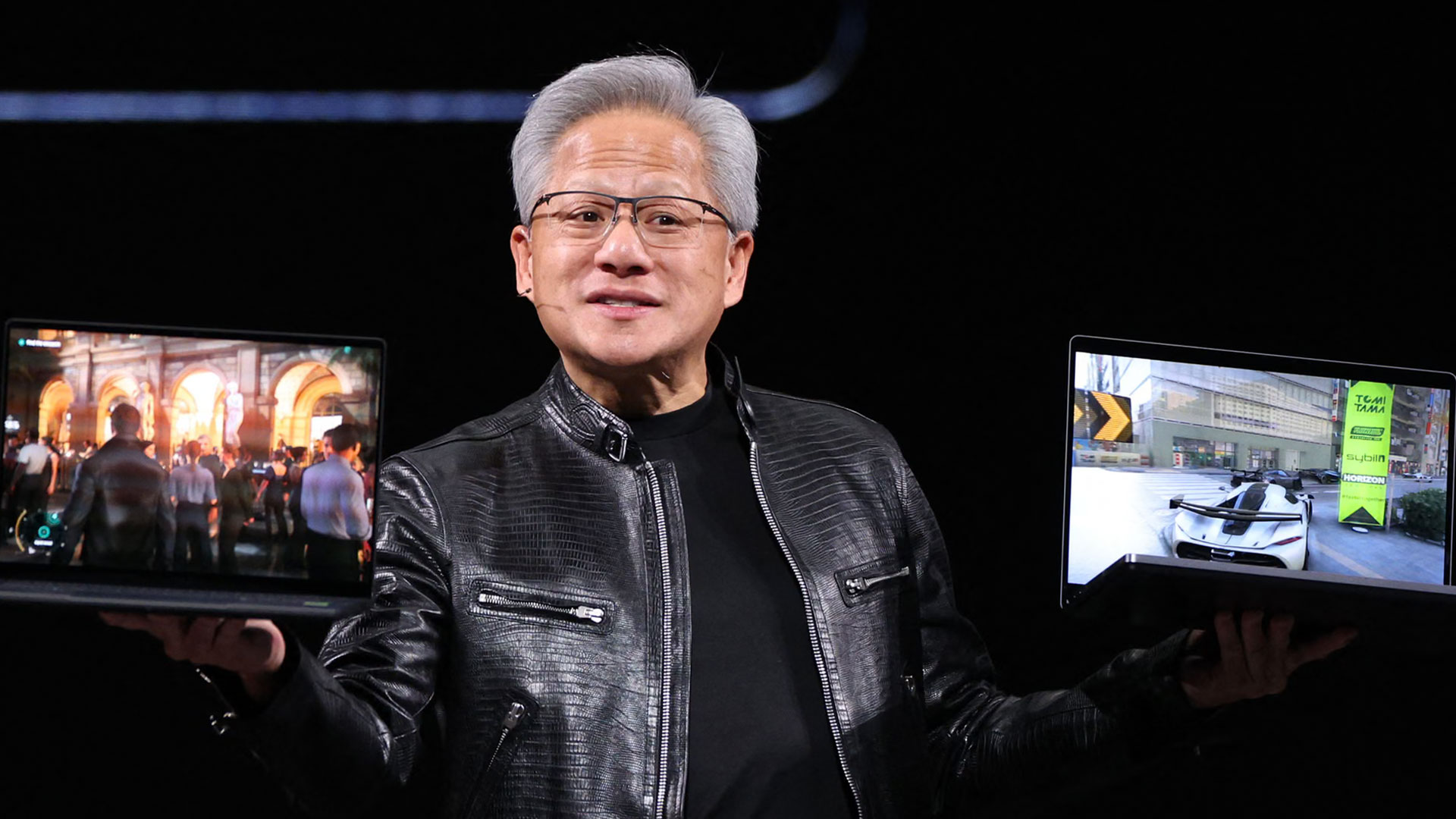
What if your computer could handle everyday tasks without you touching a mouse or keyboard? Nvidia is betting that artificial intelligence can make this possible with a new superchip designed to turn traditional PCs into intelligent digital assistants. The move could reshape how people work with computers as the battle for AI dominance intensifies.
• Nvidia is bringing AI capabilities directly to personal computers.
• The chip aims to let AI agents perform tasks autonomously.
• The launch marks Nvidia’s expansion into the consumer PC market.
The new RTX Spark chip is expected to arrive in computers from major manufacturers, including Dell, Lenovo, Asus and HP, running Microsoft Windows. Developed through a collaboration involving Nvidia, Microsoft and chipmaker MediaTek, the technology combines processing and graphics capabilities to run AI agents directly on a computer instead of depending entirely on remote cloud services.

• Major PC brands are expected to adopt the technology.
• The chip is designed to process AI tasks locally.
• Its integrated design aims to support powerful AI features in portable computers.
Local processing could be one of the chip’s biggest advantages. AI agents may be able to navigate applications, carry out tasks and interact with computer systems with less direct input from users. This could move PCs beyond their traditional role as tools for running individual applications, creating machines that can assist with more complex workflows while potentially offering greater control over personal data.
• AI agents could automate routine computer tasks.
• Computers may become more like digital co-workers.
• Running AI locally could reduce reliance on cloud services.
The launch also signals Nvidia’s ambition to compete beyond the data centre market, where demand for AI chips has helped drive its growth. Its push into personal computers will put it in more direct competition with established chipmakers such as Intel, AMD, Apple and Qualcomm. Intel is also preparing new AI-focused hardware, highlighting how aggressively competitors are pursuing the next generation of AI computing.
• Nvidia is expanding beyond its traditional AI infrastructure business.
• Intel and other chipmakers are developing competing technologies.
• The consumer PC market could become a major battleground for AI.
Despite the excitement, the shift will take time, and the chip’s commercial impact remains uncertain. Nvidia still relies heavily on demand for data centre computing, while questions remain over how quickly consumers will embrace AI agents and what tasks they will realistically be able to perform. If the technology delivers on its promise, however, the next major computer upgrade may not be about faster performance alone, but about how much work a machine can do without being told every step.
• Nvidia’s new market could offer long-term growth opportunities.
• Consumer adoption will depend on practical benefits and performance.
• The future PC could focus on completing tasks, not just running apps.
Via: The Guardian