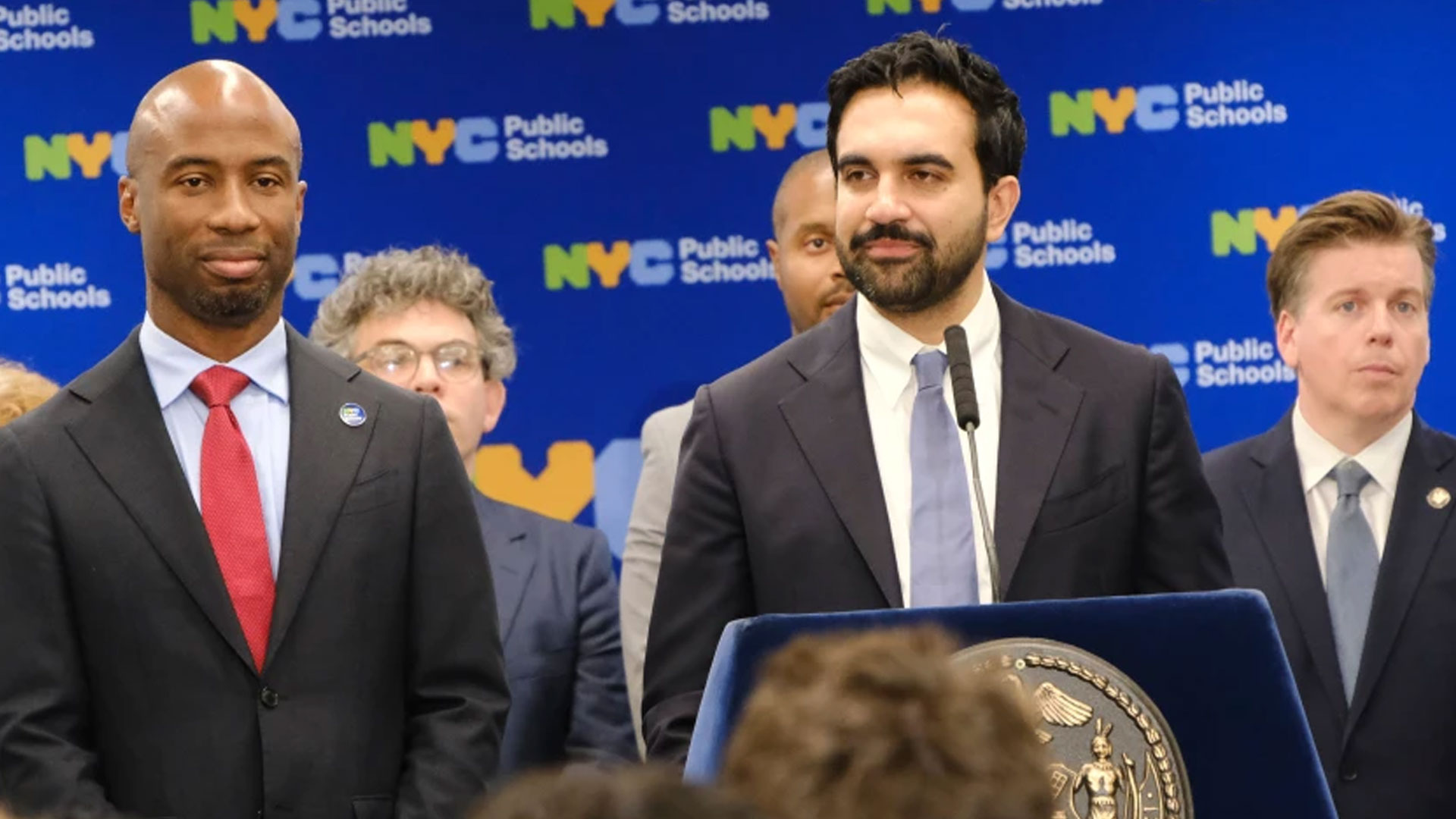
Inside the quiet halls of public education, a silent engine of artificial intelligence was rapidly becoming every student’s personal tutor, homework writer, and digital confidant. Banning AI tools across elementary and middle school classrooms, New York City Public Schools abruptly cut the cord to usher in a strict, low-tech reality for millions of students. Los Angeles Unified quickly followed suit by placing an immediate freeze on generative AI tools across all district devices. By halting the digital momentum dead in its tracks, the nation’s two largest school districts effectively severed the ties between Big Tech algorithms and developing young minds.
• The top two U.S. school districts froze AI and digital device usage across elementary and middle schools.
• Officials instituted strict daily screen-time limits alongside bans on digital devices for early childhood grades.
• The rapid operational shutdown reflects growing district concerns over child privacy, mental health, and data mining.
Corporate executives designed these sophisticated AI platforms to maximize user engagement and capture lucrative consumer data profiles. District leaders declared that public classrooms must prioritize authentic child development over corporate revenue streams. Removing emotional companion chatbots and capping daily screen exposure ensures that fundamental human interaction remains the bedrock of learning. Exemptions exist solely for special education students and English language learners who depend on adaptive tech tools to access standard coursework.

• District leadership openly prioritized student welfare over ed-tech corporate profits and data gathering.
• Emotional support chatbots were completely prohibited across all student grade levels without exception.
• Critical access exceptions remain available for special education students and non-native English speakers.
Excluding younger generations from early AI exposure sparks intense concern regarding long-term digital literacy and socioeconomic fairness. Equity advocates warn that affluent families will simply provide AI access at home, while low-income children fall permanently behind. High school students will navigate limited pilot programs offering tightly vetted platforms like math tools and language software. Distinguishing between genuine academic assistance and technological dependency remains a steep operational challenge for modern educators.
• Critics warn that restricting classroom AI creates a severe equity gap for disadvantaged students.
• High schools will run restricted pilot programs utilizing safety-vetted tools across limited subjects.
• School districts struggle to balance essential tech familiarity with healthy boundaries against digital overload.
Political divisions around classroom technology have fractured into unexpected alliances across the political spectrum. Progressive city mayors find themselves enacting classroom tech restrictions that closely mirror policies passed by conservative state legislatures. Federal leaders simultaneously advocate for aggressive AI integration in workforce preparation while issuing public health advisories urging strict screen limits. These conflicting mandates leave parents, administrators, and local educators caught in an endless web of shifting guidelines.
• Unlikely bipartisan consensus is forming nationwide around restricting youth technology immersion.
• Conflicting federal guidance urges AI adoption while simultaneously warning against excessive screen exposure.
• Rapid policy reversals leave local school communities managing operational confusion and administrative friction.
The sudden expulsion of generative AI from major metropolitan schools signals a massive shift toward cautious digital skepticism. Ed-tech vendors must now prove concrete educational value under transparent public scrutiny to retain classroom access. Millions of students are suddenly returning to tactile paper assignments, direct human instruction, and traditional learning environments. Whether this bold retreat protects healthy cognitive development or severely handicaps future workforce readiness remains an unresolved gamble.
• Districts now force education technology vendors to meet strict public transparency standards.
• Classrooms are returning to traditional paper resources and direct face-to-face instruction.
• The long-term impact of restricting early AI access remains an untested experiment in modern education.
Via: Edweek