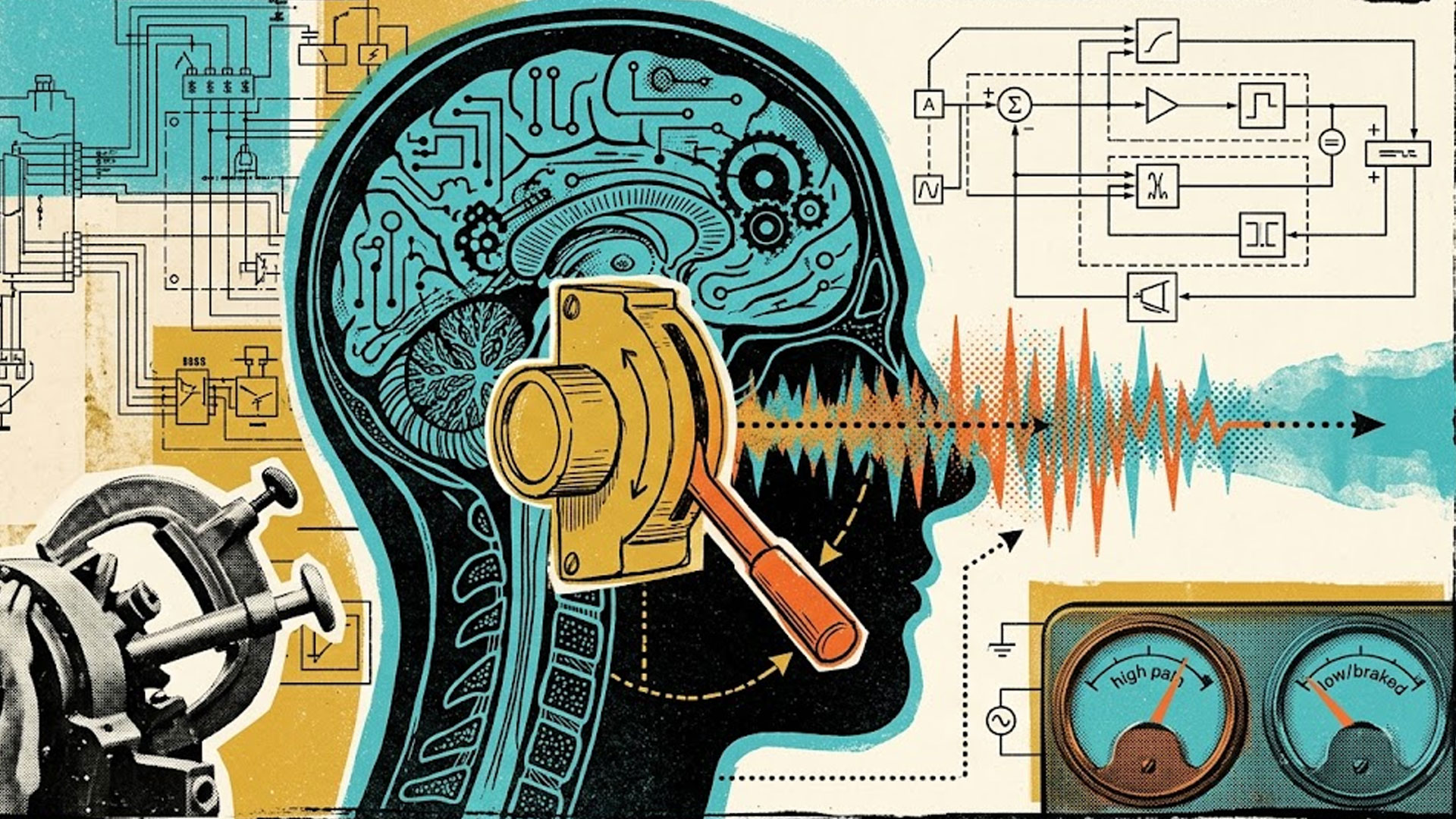
Pain is supposed to warn the brain that something is wrong. After nerve damage, that warning system can become trapped in overdrive, turning ordinary touches or changes in temperature into intense pain. Scientists have now identified a tiny group of brain cells that may act like a built-in brake, offering a potential new way to switch down chronic pain.
• Researchers identified a pain-controlling mechanism deep inside the brain
• Nerve damage can turn this system into a driver of chronic pain
• The discovery could lead to more targeted treatments
The discovery comes from researchers at Washington University School of Medicine in St. Louis, who studied the locus coeruleus, a brain region involved in alertness, stress and pain control. In mice with nerve injuries, the researchers found that this region became unusually active. Temporarily silencing its cells reduced the animals’ sensitivity to touch and heat, revealing how strongly the region can influence persistent pain.

• The locus coeruleus helps regulate pain signals
• Nerve injury can make its cells unusually active
• Reducing activity in the region eased pain sensitivity in mice
The team then focused on mu opioid receptors found on cells inside the locus coeruleus. These receptors are already known to reduce pain when activated by the body’s natural opioids or opioid drugs. Removing the receptors from the brain cells made nerve-injured mice more sensitive to touch and heat. Restoring the receptors reversed that effect, suggesting they can function as a biological brake on the brain’s pain-generating circuitry.
• Mu opioid receptors can restrain pain-related brain activity
• Removing them increased pain sensitivity in injured mice
• Restoring them reversed the heightened response
The finding could help explain why chronic neuropathic pain can persist long after the original nerve injury. Instead of simply increasing or blocking pain throughout the nervous system, future treatments might target this specific brain circuit. That approach could potentially provide stronger pain control while avoiding some of the widespread effects associated with opioid drugs.
• Chronic pain may involve a failure of the brain’s natural braking system
• Researchers want to target the locus coeruleus more precisely
• More localized treatments could reduce unwanted opioid effects
The study, published in Current Biology on August 17, does not yet represent a treatment for people. The experiments were conducted in mice, so further research is needed to determine whether the same mechanism can be safely targeted in humans. Still, the discovery offers an intriguing possibility: the brain may already contain a powerful system for turning chronic pain down, and scientists are beginning to understand where that switch is located.
• The research is currently limited to animal models
• Human studies will be needed to confirm the mechanism
• The discovery could open a new direction for chronic pain therapy
Via: Science Daily