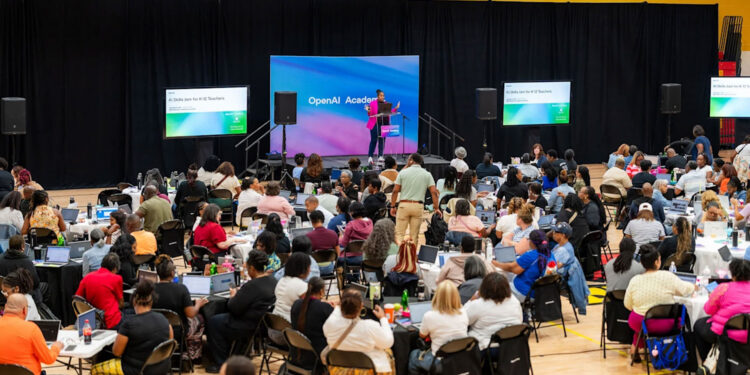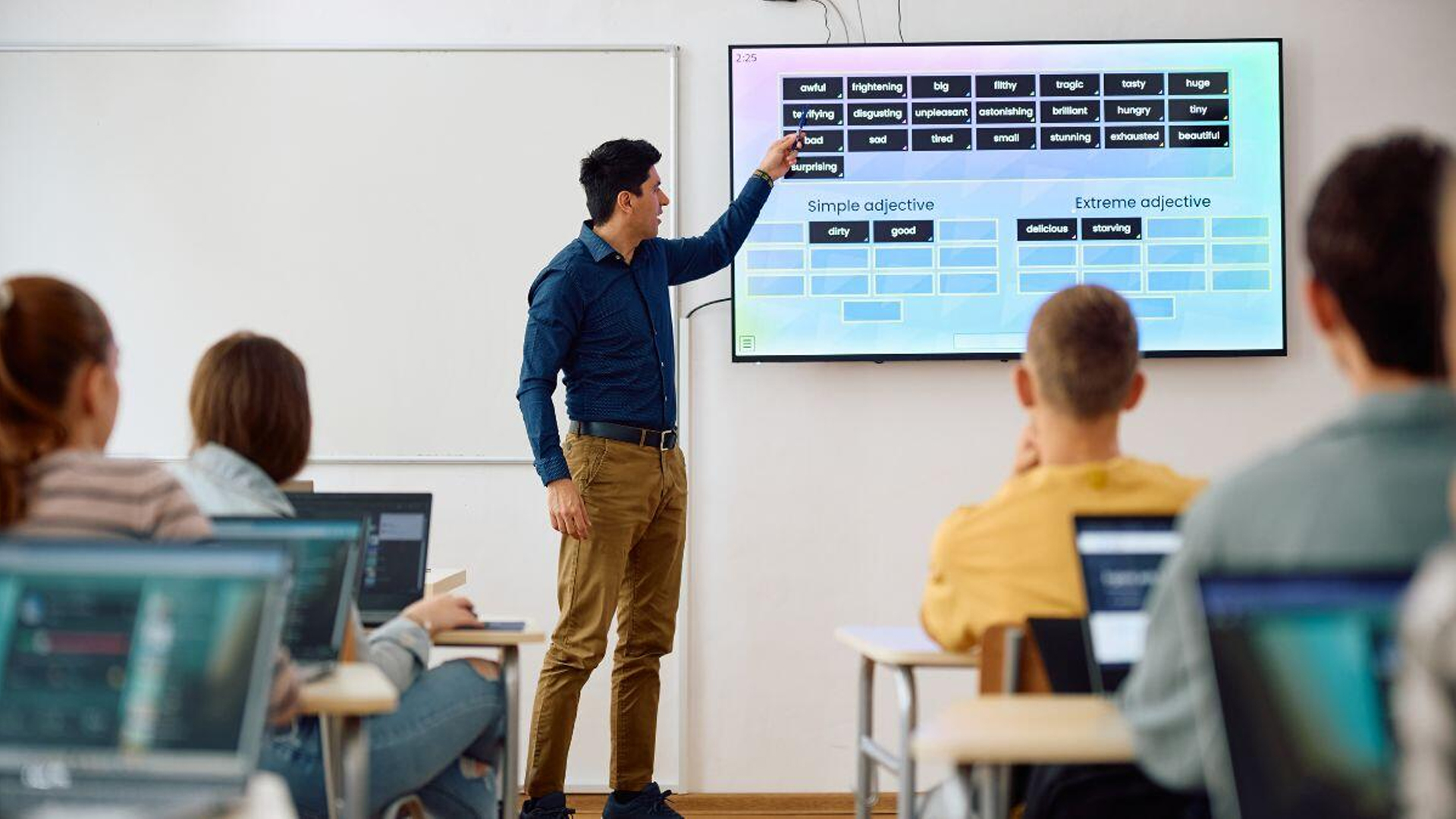
The chalk dust has barely settled, but the traditional classroom is already becoming a relic of the past. South African educational institutions are currently undergoing a radical metamorphosis where the rigid boundaries of the lecture hall are dissolving into the digital ether. This is not merely a shift in tools but a fundamental rewriting of pedagogy itself, designed to survive a future where digital literacy is the primary currency. The driving force behind this evolution is a desperate need to replace passive instruction with immersive, future-proof experiences that prepare students for a reality that does not yet exist.
• Traditional classrooms are being replaced by digital ecosystems.
• South African institutions are rewriting their pedagogical approach.
• The goal is to prepare students for an unwritten future.
At the core of this strategy lies the adoption of blended learning models that shatter the constraints of physical geography and time. By fusing face-to-face interaction with flexible online components, students are empowered to dictate the pace of their own intellectual development. This autonomy is heavily bolstered by artificial intelligence, which acts as an invisible tutor by analyzing performance data in real time. Instead of a standardized curriculum, these adaptive platforms identify learning gaps with surgical precision and tailor content to the individual, preventing students from falling through the cracks of a one-size-fits-all system.

• Blended learning removes geographical and time constraints.
• Artificial intelligence analyzes student performance in real time.
• Curriculums are tailored to individual learning gaps.
The dryness of academic theory is also being abandoned for the dopamine-driven engagement of gamification and immersive reality. Educators are hacking the human reward system by applying game design principles to lessons, fostering a willingness in students to experiment and fail without fear. Simultaneously, virtual and augmented reality technologies allow learners to step inside a human cell or walk through a historical battlefield from the safety of a lab. These tools transform abstract concepts into tangible memories, creating a depth of understanding that traditional textbooks simply cannot replicate.
• Gamification uses game design to boost student engagement.
• Virtual reality allows for safe simulation of complex scenarios.
• Abstract concepts are transformed into tangible experiences.
Beyond technical proficiency, these digital platforms are redefining the soft skills necessary for the modern workplace. New collaboration tools mirror professional environments, forcing students to work together across digital divides and hone their communication abilities. There is also a rising focus on social and emotional learning embedded within these systems. Technology is being utilized to nurture empathy and resilience, ensuring that the next generation of graduates possesses the emotional intelligence required to navigate high-pressure professional landscapes with confidence.
• Digital tools mirror professional collaboration environments.
• Students practice teamwork across geographic boundaries.
• Technology helps nurture emotional intelligence and empathy.
However, this technological renaissance carries the risk of widening the chasm between the privileged and the under-resourced. The success of this revolution depends entirely on equitable access and the continuous professional development of educators who must master these complex tools. Without proper training, expensive software risks becoming a digital ornament rather than a catalyst for growth. Ultimately, the objective is not to replace the teacher but to augment the human connection that remains the bedrock of holistic development, ensuring innovation serves equity rather than exclusion.
• The digital divide threatens to increase educational inequality.
• Educator training is essential for successful implementation.
• Technology must augment rather than replace human connection.