Is the era of blindly tapping on smooth glass finally ending? Volkswagen seems to believe the future of driving requires looking backward to a time when controls could be found by touch alone. The German automaker is initiating a renaissance of tactile feedback with its latest compact electric vehicle, the ID. Polo. This new interior design challenges the industry’s obsession with touch-only interfaces by reintegrating real switches and knobs into the dashboard.
• Volkswagen initiates a renaissance of tactile feedback
• The ID. Polo challenges the industry obsession with touchscreens
• Real switches and knobs return to the dashboard
Interior design has shifted to prioritize user connection and comfort immediately upon entry. The chief designer describes this new cabin layout as something that feels familiar and friendly from the very first moment. Tangible controls are being utilized to instill a sense of stability and trust for the driver. Warm materials and charming details complement this approach to create a welcoming environment that feels less like a computer and more like a companion.

• The cabin layout prioritizes immediate user connection
• Tangible controls aim to instill stability and trust
• Warm materials create a welcoming and friendly environment
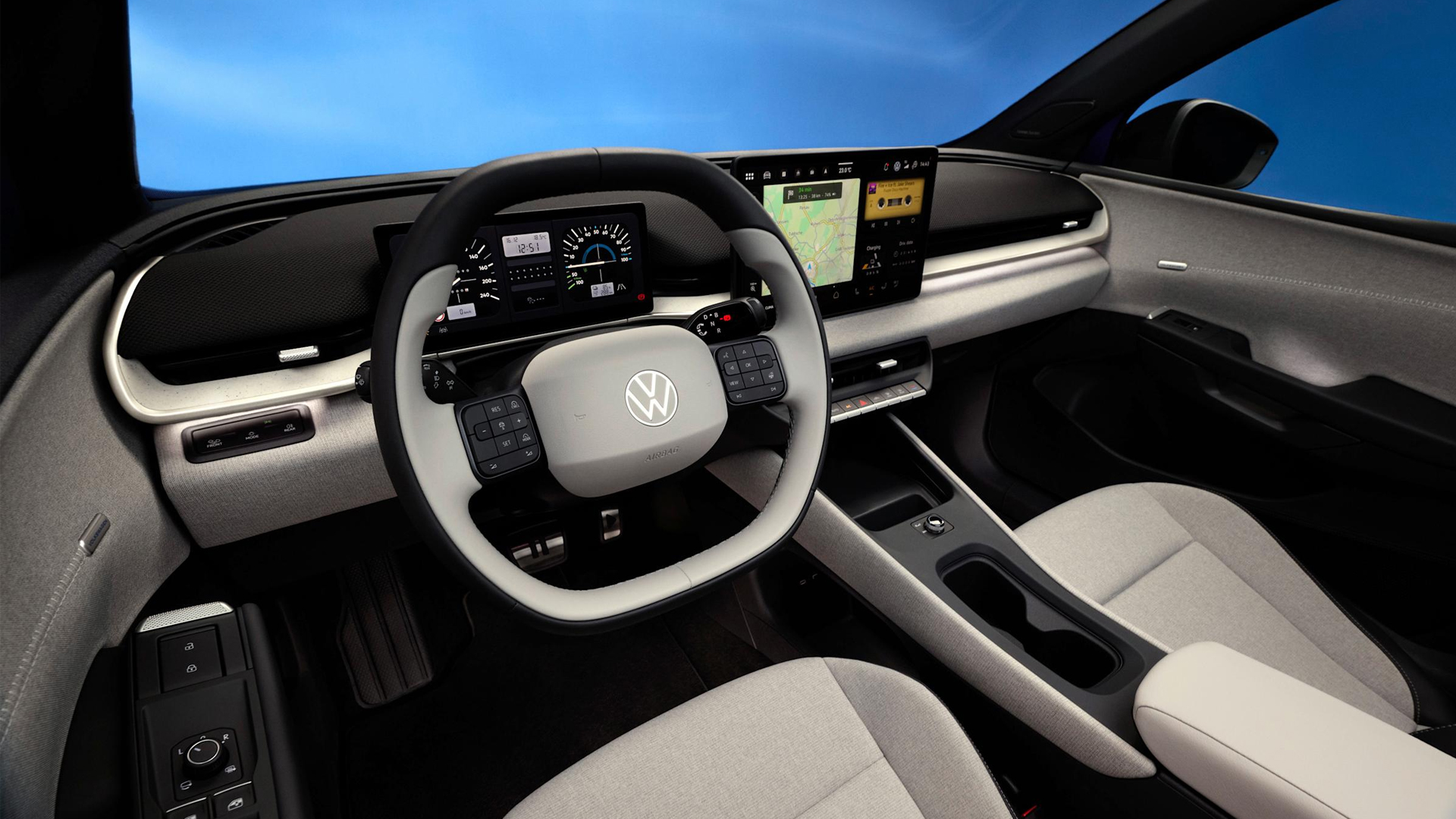
Previous promises to restore physical controls for critical functions are now becoming reality across the manufacturing lineup. This commitment begins with what was formerly known as the ID. 2all concept car and has since evolved into the production-ready ID. Polo. Tangible buttons sit conveniently beneath the main infotainment display while the steering wheel hosts its own array of clear inputs. A dedicated central knob allows for intuitive volume adjustment or track selection without forcing the driver to look away from the road.
• Promises to restore physical controls are becoming reality
• Buttons sit beneath the display and on the steering wheel
• A central knob allows intuitive volume and track control
Modern technology still occupies a central role despite the significant return to analog inputs. A digital cockpit resides behind the steering wheel alongside a substantial touchscreen that handles infotainment duties. Drivers can toggle a unique nostalgic feature that transforms the digital display to resemble the classic 1980s Golf I instrument cluster. This retro throwback is accessible via a simple press on the steering wheel or through the central screen interface.
• Digital screens remain central to the dashboard layout
• A nostalgic feature mimics the 1980s Golf I cluster
• The retro mode is toggled via the wheel or screen
This vehicle marks the beginning of a broader expansion into the small and compact electric car segment. European markets are scheduled to see the first of four new models arriving as early as this year. North American drivers will unfortunately have to admire this shift from afar. Current reports indicate there are no plans to release this compact electric vehicle in the United States.
• The vehicle leads an expansion into compact electric segments
• European markets will receive the model starting this year
• There are currently no plans for a United States release
Via: Engadget