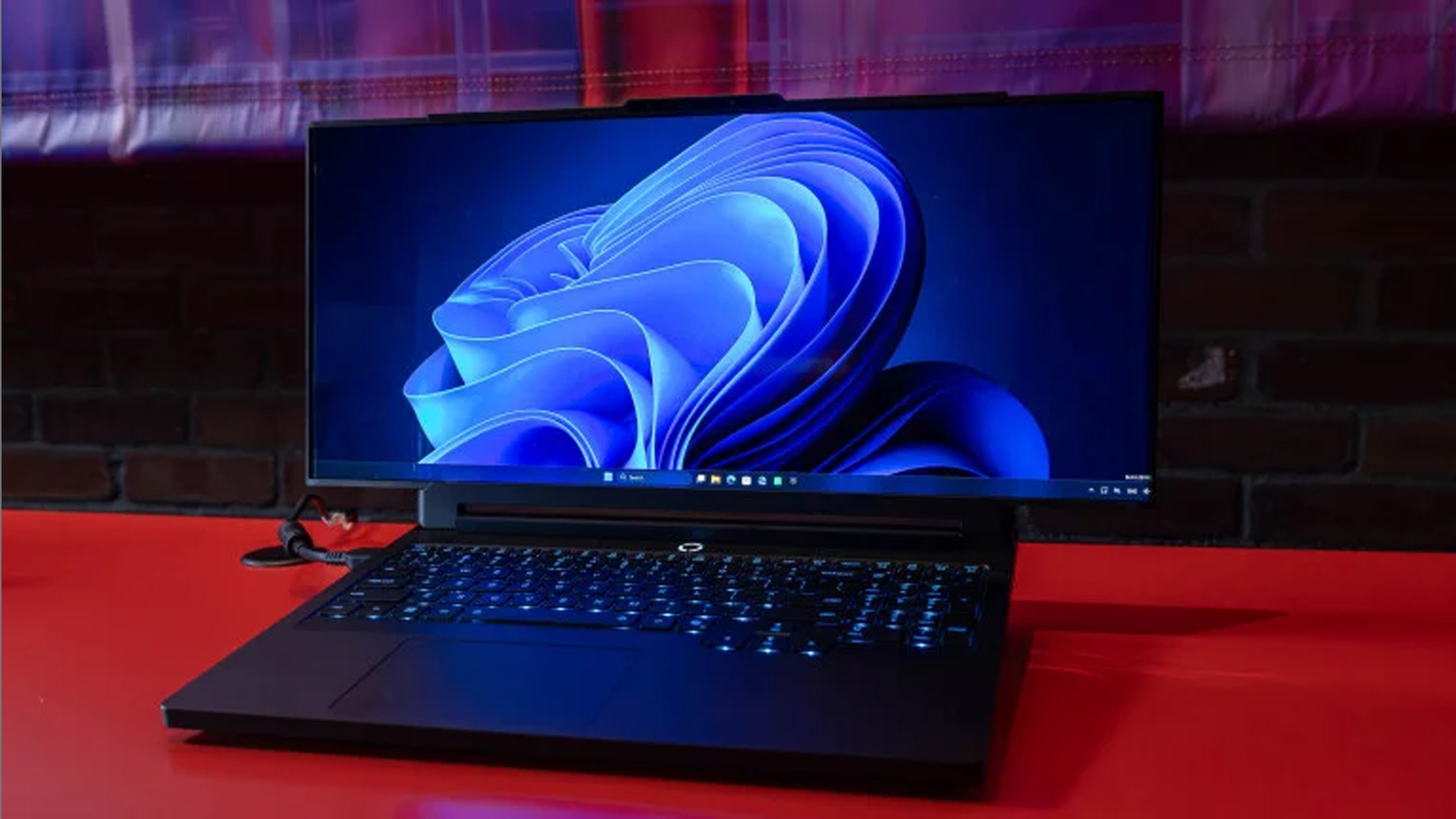
What if the physical limitations of your laptop screen were merely a suggestion rather than a rule? Lenovo has brought a shape-shifting concept to CES 2026 that challenges the boundaries of portable gaming. The new Legion Pro Rollable prototype features a motorized display that physically sprouts outwards to transform from a standard 16-inch panel into a massive 23.8-inch ultrawide canvas.
• Lenovo revealed a rollable screen gaming laptop concept at CES 2026
• The screen expands from 16 inches to an ultrawide 23.8 inches
• The device challenges standard limitations of portable displays
Innovation often looks like magic until you see the mechanics in motion. A simple key combination triggers internal motors that unfurl a flexible OLED panel from behind the chassis. The system offers three distinct configurations starting with the default Focus Mode and expanding to a mid-tier Tactical Mode before reaching the full Arena Mode.

• Motors unfurl a flexible OLED panel from behind the chassis
• Users control the expansion with a simple key combination
• Three modes offer sizes ranging from 16 to 23.8 inches
This engineering feat is currently housed within the familiar chassis of a Legion Pro 7i. The prototype packs high-end internal components like the Intel Core Ultra 9 and Nvidia RTX 5090 to drive the extra pixels yet it remains strictly a concept device. Frictionless materials and a complex tension system are utilized to keep the delicate screen taut during the expansion process.
• The concept is built on the Legion Pro 7i chassis
• High-end specs like the RTX 5090 power the display
• Tension systems keep the flexible screen taut to prevent damage
Pioneering new form factors inevitably comes with significant compromises. The device is noticeably heavy due to the motorized mechanisms and there are visible creases where the screen rolls out. Software integration also lags behind the hardware as the prototype currently relies on a static resolution compromise rather than dynamically adjusting Windows to the changing aspect ratio.
• The motorized mechanism adds significant weight to the device
• Visible creases appear where the screen rolls out
• Software currently struggles to adapt resolution dynamically
This approach represents a more sophisticated evolution of past multi-screen experiments like Razer’s Project Valerie. Lenovo seems determined to make morphing display technology viable despite the clear hurdles in durability and pixel-perfect refinement. Gamers may one day carry a cinema-grade display in their backpack if these engineering wrinkles can be ironed out.
• The concept evolves past ideas like Razer’s Project Valerie
• Lenovo is committed to developing morphing display tech
• Significant refinement is needed before consumer release