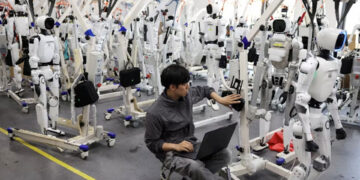
What happens when an AI model stops working only on a screen and starts controlling the machines around it? Anthropic is taking a major step in that direction with the Model Hardware Standard, or MHS, a new framework designed to give AI agents a common way to communicate with physical devices. The technology could eventually allow AI systems to operate equipment they have never encountered before, opening the door to a new generation of automated laboratories and intelligent machines.
• MHS creates a common interface for physical devices
• AI agents could communicate with equipment without custom integrations
• The technology is initially aimed at scientific research
Scientific experiments often depend on equipment from different manufacturers, forcing researchers to build custom software connections before machines can work together. Anthropic’s MHS is designed to remove much of that complexity by giving devices a standardized interface and data format. Instead of spending weeks or months connecting instruments, researchers could potentially configure complex systems in hours or even minutes.

• Devices can share data through a common interface
• MHS aims to eliminate many bespoke software integrations
• Faster setup could allow researchers to run experiments sooner
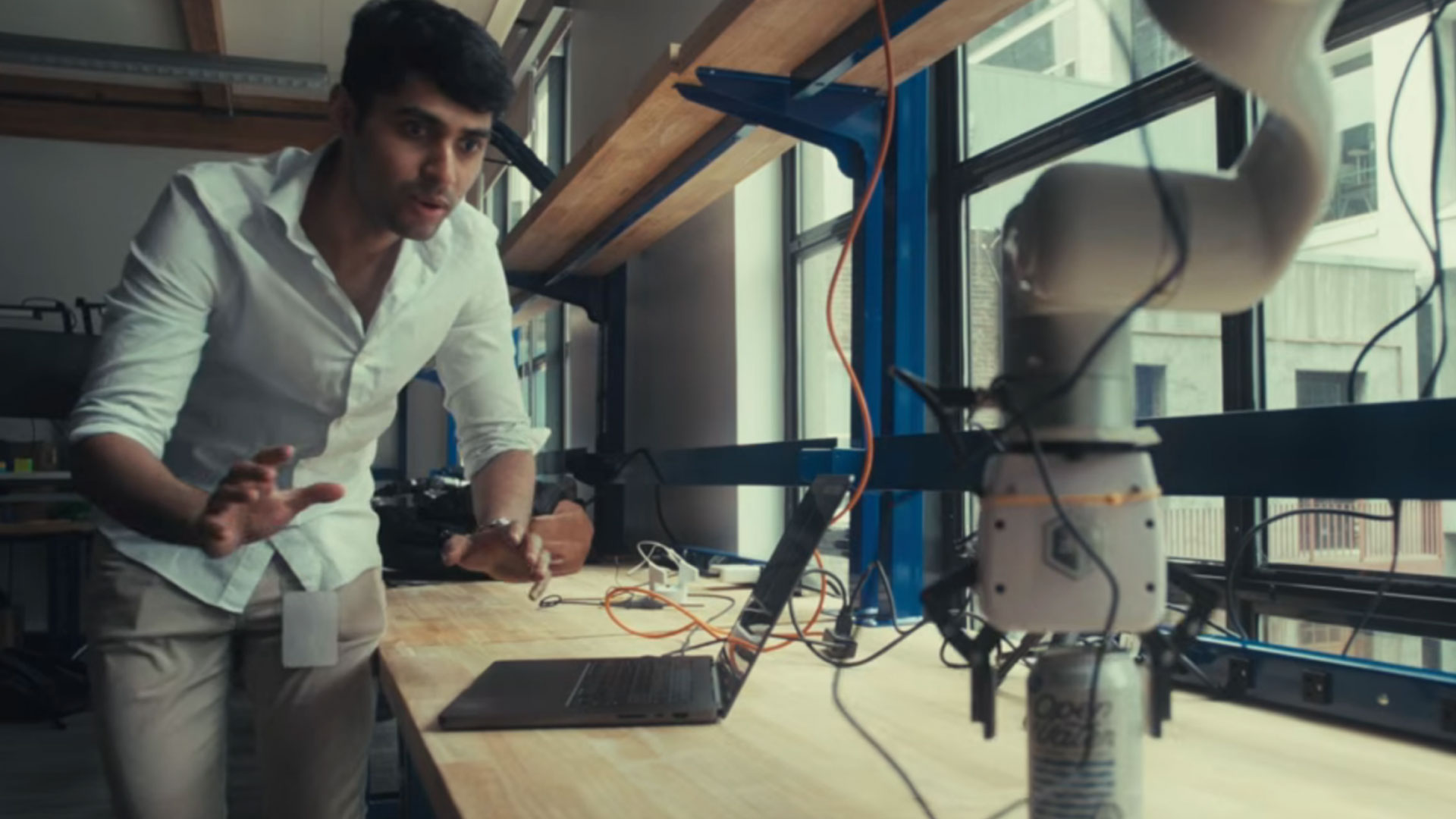
The bigger shift comes when MHS is combined with AI through Anthropic’s Model Context Protocol. A system such as Claude could receive information about a device, control it through natural language, monitor its results and adjust its actions as an experiment progresses. Anthropic demonstrated scenarios involving automated laser calibration, microscope positioning and a robotic arm learning how to manipulate an object without being specifically trained for that sequence.
• AI could control laboratory equipment using natural language
• Models could adjust experiments based on live results
• Robots may perform unfamiliar tasks by reasoning through the steps
MHS also attempts to solve a fundamental problem for AI operating in the physical world: machines have limits that software must understand. The standard can describe characteristics such as a robot arm’s weight capacity and movement range, along with adjustable settings, measurement capabilities and safety restrictions. Providing this information in a structured format could help an AI understand what a machine can safely do before attempting to control it.
• Hardware capabilities and limitations can be described for AI
• Safety restrictions can be included alongside device information
• Models could work with unfamiliar equipment more reliably
Anthropic is currently testing MHS with scientific research labs and advanced manufacturers, with partners including Amazon Web Services, Hugging Face, Raspberry Pi, Automata and Universal Robots. The company ultimately plans to make the standard open source and agent agnostic, potentially allowing different AI systems and physical machines to work together. If that vision succeeds, the laboratory of the future may not simply contain smarter equipment. It could contain AI systems capable of deciding what to test, operating the machinery and adapting experiments as they unfold.
• MHS is being tested with research and robotics partners
• Anthropic plans to make the standard open source
• The long-term goal is AI that can operate physical systems across industries
Via: Arstechnica