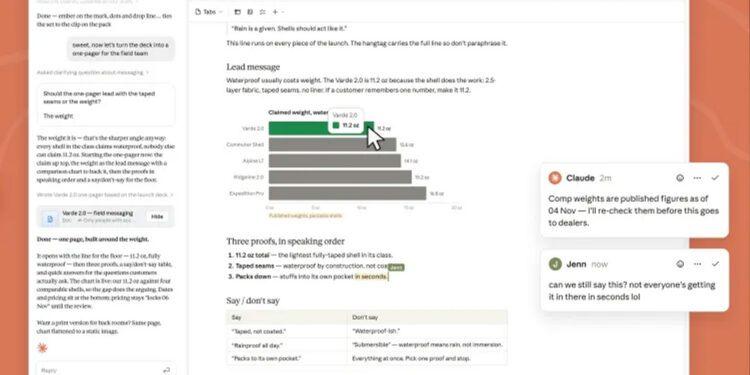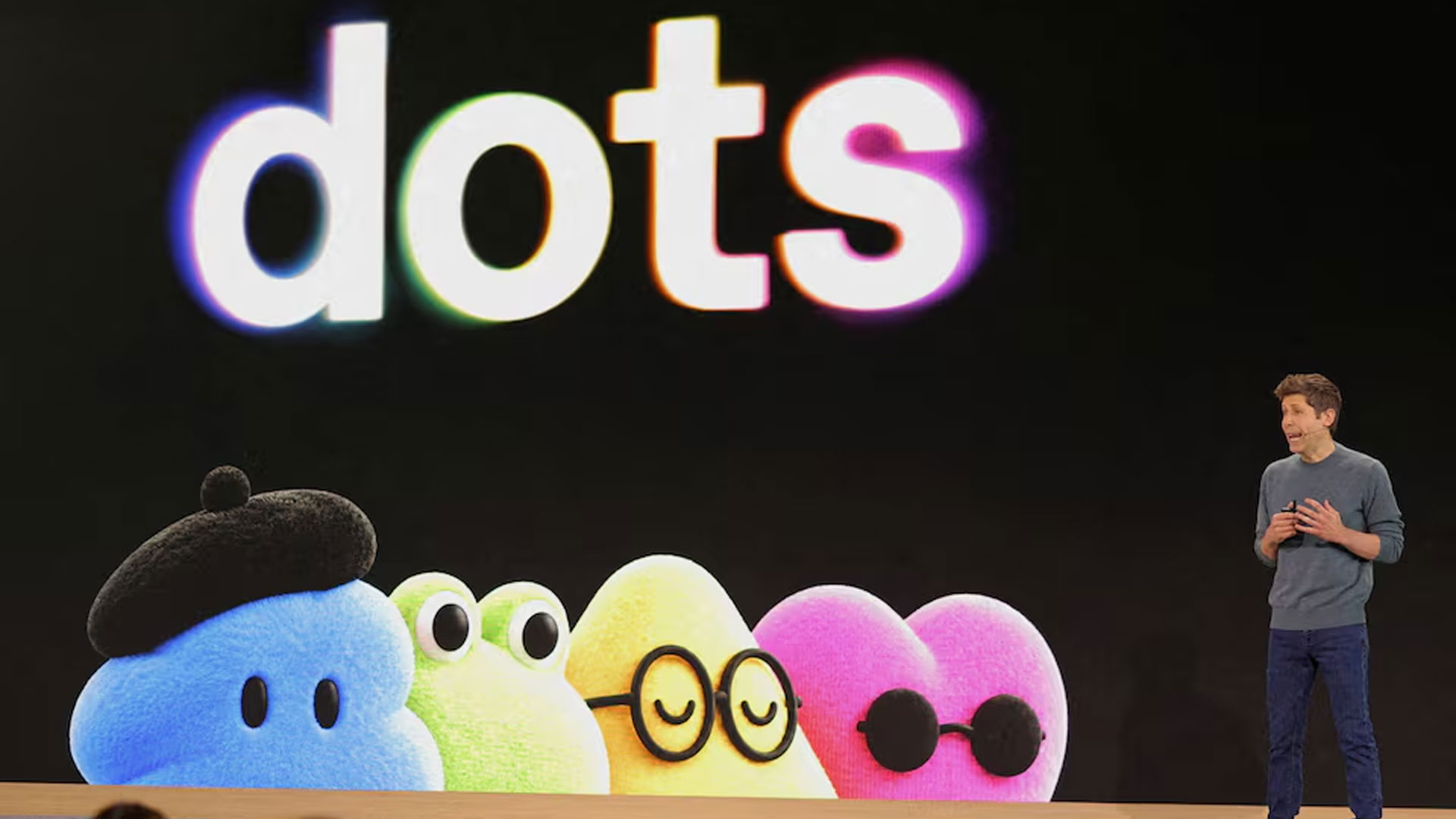
The next big shift in AI may not look like another chatbot. OpenAI is pushing its technology into a more ambitious role with “dots”, always-on AI agents designed to pursue goals across different apps with far less human supervision. The move puts OpenAI directly into a fast-growing race to create software that does the work instead of simply responding to requests.
• OpenAI is moving beyond traditional chatbots
• Dots can work across multiple applications
• The technology targets everyday business tasks
The agents are designed to handle projects as they change, from updating sales proposals to researching information, analysing data, preparing documents and building software. Dots can also connect with platforms such as Slack and Microsoft Teams, while drawing on OpenAI tools including Codex and ChatGPT Work. The result is an AI system intended to keep working toward a goal rather than waiting for every instruction.

• Dots can manage evolving projects
• Agents can use several OpenAI tools
• Slack and Teams integration expands their reach
That promise comes with a major challenge: giving AI enough freedom to be useful without allowing it to make dangerous decisions. OpenAI has highlighted safeguards that let users establish rules for what dots can do and when permission is required. Sensitive actions, including changing passwords or permanently deleting data, require explicit approval.
• Users can set rules for agent behaviour
• Sensitive actions require permission
• OpenAI is emphasising safety and privacy controls
The timing is significant as businesses increasingly explore autonomous AI and rivals race to capture the market. OpenAI is competing against companies such as Meta and Anthropic while expanding its own business ecosystem. The company says weekly use of Codex and ChatGPT Work has grown sharply, suggesting that demand for AI capable of handling real work is moving beyond experimentation.
• Autonomous AI is becoming a major technology race
• OpenAI is targeting enterprise customers
• Usage of its work-focused tools is growing
OpenAI’s launch also exposed how difficult this new generation of AI can be to perfect. Live demonstrations experienced problems with voice responses, highlighting the gap between an impressive concept and dependable execution. Dots could eventually make AI feel less like software people operate and more like a digital workforce operating alongside them, making reliability, privacy and control just as important as what the technology can accomplish.
• Live demos revealed technical glitches
• Reliability will be critical for autonomous agents
• AI could increasingly operate like a digital workforce
Via: Reuters