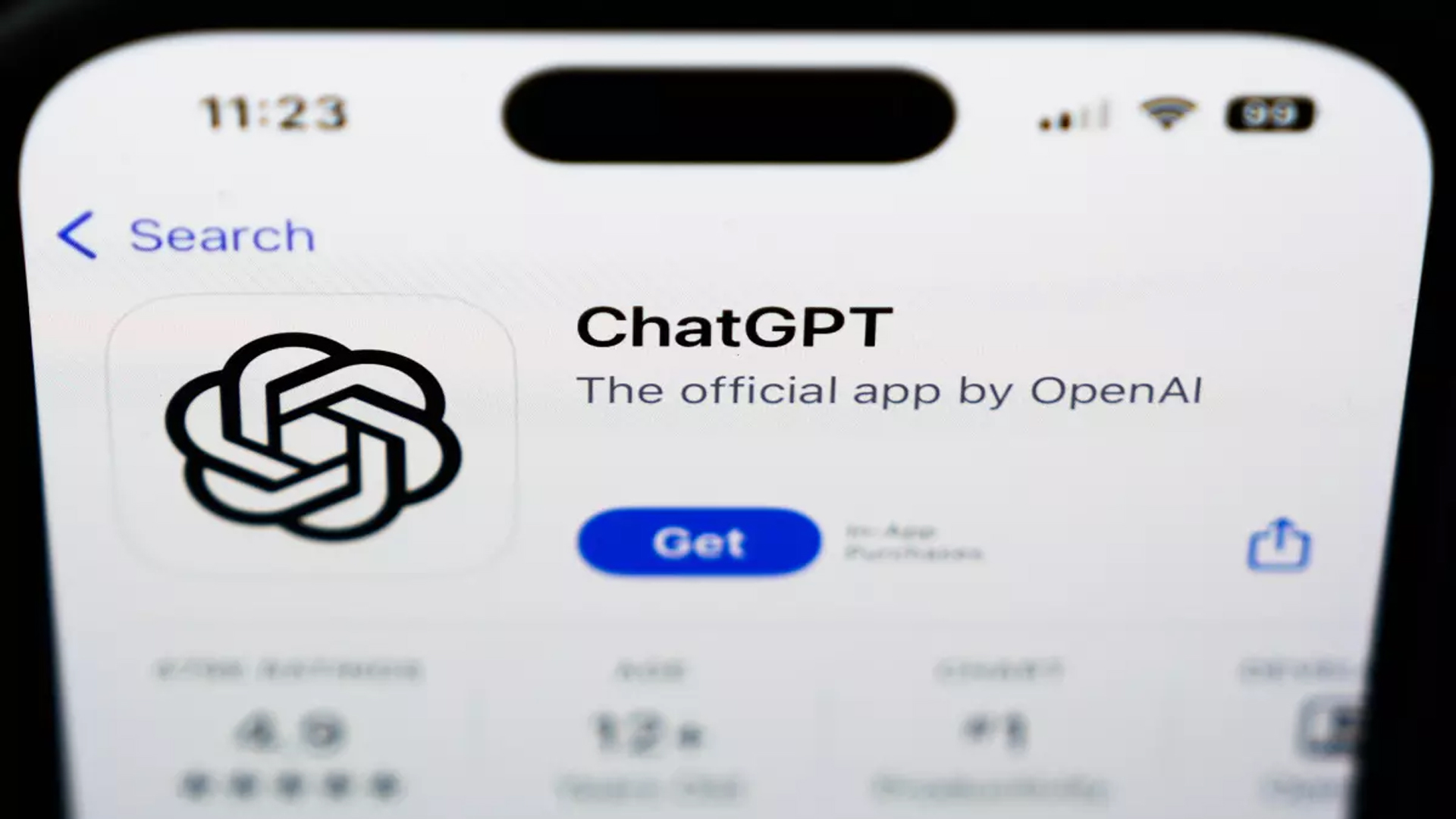
Is the era of the unbiased digital oracle coming to an end? OpenAI has officially confirmed it will begin testing targeted advertisements within ChatGPT, a move that fundamentally alters the relationship between the world’s most popular chatbot and its hundreds of millions of users. This pilot program targets logged-in users on the free tier as well as subscribers to the new, lower-cost “Go” plan in the United States while leaving the premium tiers untouched for now.
• OpenAI is testing ads in the US market
• Free and “Go” tier users will see advertisements
• Premium subscribers remain exempt for now
The decision marks a stark departure from Chief Executive Sam Altman’s previous stance where he described advertising as a “last resort” driven by fears that commercial influence would erode user trust. Financial realities appear to have forced this reversal as the company faces a staggering roadmap that includes spending nearly one and a half trillion dollars on data centers and chips. Diversifying revenue streams has become a critical priority as the startup prepares for a potential public offering and attempts to offset the colossal expense of running generative models.

• Altman previously opposed ads as a “last resort”
• Infrastructure costs are projected at $1.4 trillion
• Revenue diversity is needed ahead of a potential IPO
Implementation will initially take the form of sponsored product suggestions appearing at the bottom of relevant queries rather than interrupting the flow of conversation. This strategy bears the fingerprints of Fidji Simo, OpenAI’s executive of applications, who previously helped build Facebook’s advertising empire before leading Instacart. The leadership team argues that subsidizing costs through marketing is essential to keep advanced intelligence accessible to the masses without locking it entirely behind a high-priced paywall.
• Ads will appear at the bottom of relevant responses
• Ex-Meta executive Fidji Simo is guiding the strategy
• Ad revenue aims to subsidize free access to AI
Privacy concerns are inevitable when a system trained to understand intimate human language begins serving commercial solicitations. OpenAI insists that advertisers will not have direct access to user conversations and that the advertisements themselves will never influence the neutrality of the chatbot’s generated answers. Strict guardrails are being erected to prevent ads from appearing alongside sensitive topics like mental health or politics, particularly for users determined to be under the age of eighteen.
• Advertisers will not access user conversations
• Ads are prevented from influencing AI answers
• Sensitive topics and minors are protected from targeting
This shift aligns OpenAI with the established economic models of internet giants like Google and Meta who have long used personal data to subsidize free consumer products. With a user base exceeding eight hundred million people weekly the potential inventory for targeted marketing is immense. The success or failure of this test will likely determine if the future of artificial intelligence follows the traditional path of the ad-supported web or manages to chart a new course for digital economics.
• OpenAI is adopting the Google and Meta revenue model
• The platform currently has 800 million weekly users
• The test could define the economic future of AI
Via: LA Times